
| AGARWOOD | AVOCADO | PEANUTS | LIVESTOCK |
Agarwood
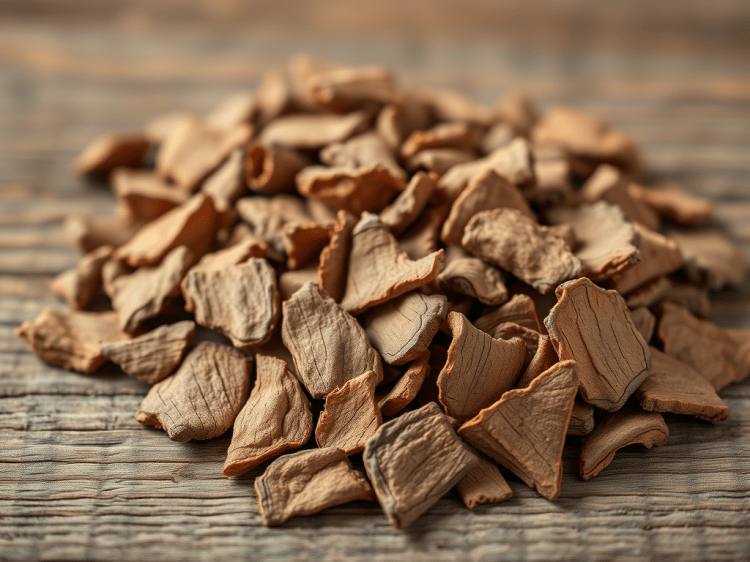
Agarwood, also known as oud or gaharu, is a fragrant resinous wood that forms in the Aquilaria tree when it becomes infected with a type of mold. The tree produces the resin as a defense mechanism, and the resin-infused wood is highly prized for its distinctive aroma.
Agarwood has been used for centuries in various ways, including:
- Perfumery: Agarwood oil is a key ingredient in many high-end perfumes, adding a rich, warm, and complex fragrance.
- Incense: Agarwood is burned as incense in religious ceremonies and for meditation practices, believed to have calming and spiritual properties.
- Traditional medicine: Agarwood has been used in traditional medicine systems like Ayurveda and Traditional Chinese Medicine to treat various ailments, including respiratory problems, digestive issues, and anxiety.
- Woodworking: Agarwood is also used in woodworking to create high-quality furniture, carvings, and other objects.
Agarwood is one of the most expensive woods in the world due to its rarity and unique properties. However, the overharvesting of Aquilaria trees has led to their endangerment, and sustainable harvesting practices are now being implemented to protect the species.

Avocado
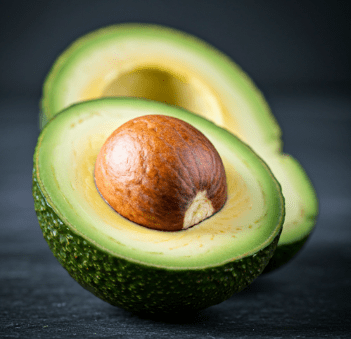
Avocado, also known as alligator pear, is a fruit botanically classified as a single-seeded berry. It is native to Mexico and Central America but is now cultivated in many tropical and subtropical regions worldwide. Avocados are known for their creamy texture and rich, buttery flavor. They are a good source of healthy fats, fiber, vitamins, and minerals.
Avocados are versatile fruits that can be eaten fresh, cooked, or used in various recipes. They are commonly used in salads, guacamole, smoothies, and desserts. Avocado oil is also popular for cooking and skincare.

Avocado trees are evergreen and can grow up to 60 feet tall. They produce large, leathery fruits that ripen to a dark green or purple color. Avocados are typically harvested when they are still firm and then allowed to ripen at room temperature.
In recent years, avocado consumption has increased significantly due to their nutritional benefits and versatility. However, the cultivation of avocados has also raised concerns about water usage and deforestation in some regions.
D´Agri plans to plant 600.000 Avocado Trees and be a mayor actor, in the Avocado and Avocado Oil business, in the region, with an approach of production especially for export to countries like Japan and Korea.
Peanuts

Peanuts, scientifically known as Arachis hypogaea, are a legume crop cultivated for their edible seeds. Despite their name, peanuts are not true nuts but rather a type of legume related to beans and lentils. They are native to South America, where they were domesticated thousands of years ago.
Peanuts are grown in various climates worldwide, with China being the leading producer. They thrive in warm, dry climates with well-drained soil. Peanuts are typically planted in the spring and harvested in the fall.

Peanuts are a versatile food with a wide range of uses. They are commonly eaten as a snack, roasted or boiled. Peanut butter is a popular spread made from ground peanuts, often used as a sandwich filling or ingredient in various recipes. Peanuts are also used to make peanut oil, which is used for cooking and frying.
In addition to their culinary uses, peanuts are a good source of protein, fiber, vitamins, and minerals. They are also a good source of healthy fats, including monounsaturated and polyunsaturated fats. Peanuts are often included in diets for weight loss and heart health.
Livestock
Cattle in the Philippines

Cattle play a significant role in the agricultural landscape of the Philippines. They are primarily raised for meat and dairy products, with beef and carabao milk being popular staples in Filipino cuisine. While the number of cattle in the Philippines is relatively small compared to other livestock species like pigs and chickens, they are still an important part of the country’s agricultural economy.
Cattle farming in the Philippines is primarily a small-scale activity, with most farmers owning just a few head of cattle. The majority of cattle are raised in the provinces of Bulacan, Nueva Ecija, and Batangas, where they graze on the vast grasslands and pastures.
The primary breed of cattle in the Philippines is the Philippine Native or Carabao. These animals are well-adapted to the hot and humid climate of the country and are known for their hardiness and resilience. They are also used for draft purposes, such as plowing fields and transporting goods.
In recent years, there has been a growing interest in improving the quality of Philippine cattle. This has led to the introduction of exotic breeds, such as Brahman and Holstein, which are being crossbred with local breeds to produce animals with better milk production and meat quality.

The government of the Philippines has also implemented various programs to support the cattle industry, including providing subsidies for feed and veterinary services. These programs aim to increase the productivity of the cattle industry and improve the livelihoods of farmers.
In conclusion, cattle are an important part of the agricultural landscape of the Philippines and DÁgri plans to have hundreds of numbers in order to secure annual income for farmers whilst it is time to harvest Avocado and Agarwood production.
 Luis Fernando Mezquita